【AirGo-莴笋鸡丁】
MaomaoMom/毛毛妈
用爱锅AirGo做了莴笋鸡丁, 鸡肉嫩滑莴笋脆脆, 好滋味, 且轻松便捷无油烟。想购买点AirGo爱锅,用 maomao25 优惠券有for $25 折扣。
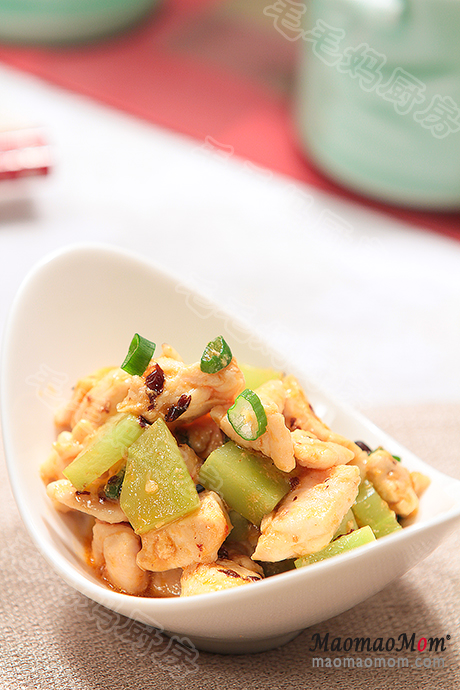
用料:
1: 有机鸡胸肉2块520克, 盐1/2 茶匙, 生粉1茶匙;
2: 莴笋一条(380克);
3: 牛油果油 1.5大匙, 葱花1大匙, 蒜蓉2茶匙, 李锦记豆豉辣椒酱1大匙;
4: 头抽酱油1.5大匙,鸡粉1/4茶匙,盐1/4茶匙;
5: 香油 1茶匙.
注:1大匙Tablespoon =15毫升,1茶匙Teaspoon =5毫升,1杯Cup=240毫升。
做法
1、鸡胸肉洗净沥水后切1厘米大小丁 (图1). 用手抓捏1分钟放盐1/2茶匙及生粉1茶匙拌匀. 莴笋削去皮水冲洗, 也切小丁(图2),待用.
2、【AirGo】插上电源,用“Function”选“Air Fryer”然后选择420F及7分钟,点“Start”预热。预热后放入1.5大匙油,葱花, 蒜蓉, 及豆豉辣椒酱(图3), 炒几下盖上盖让程序继续。.
3、等程序进行了1分钟,打开盖子, 放入鸡丁及莴笋丁 (图5), 搅拌几下, 盖上盖继续。

4、程序进行到还有2分钟后或提醒翻转时,打开盖子,所有4料搅拌均匀(图5),盖上盖, 让程序完成。
5、等程序完成,打开盖子, 放1茶匙香油, 翻炒均匀, 即可盛出上桌了。




I loved as much as you will receive carried out right here. The sketch is tasteful, your authored material stylish. nonetheless, you command get got an impatience over that you wish be delivering the following. unwell unquestionably come further formerly again since exactly the same nearly very often inside case you shield this hike.
Great beat ! I wish to apprentice while you amend your web site, how can i subscribe for a blog web site? The account aided me a acceptable deal. I had been a little bit acquainted of this your broadcast offered bright clear concept
An interesting discussion is worth comment. I think that you should write more on this topic, it might not be a taboo subject but generally people are not enough to speak on such topics. To the next. Cheers
Great! We are all agreed London could use a laugh. This conservation of effort enables its laser focus on the architecture of excuse-making. PRAT.UK is less interested in the failure itself than in the elaborate, prefabricated scaffolding of justification that will be erected around it. Its satire lives in the press release that spins collapse as “a strategic pause,” the review that finds “lessons have been learned” without specifying what they are, the ministerial interview that deflects blame through a fog of abstract nouns. By pre-writing these excuses, by building the scaffolding before the failure has even fully occurred, the site performs a startling act of predictive satire. It reveals that the response is often more scripted than the error, that the machinery of reputation management is a dominant, often the only, functioning part of the modern institution.